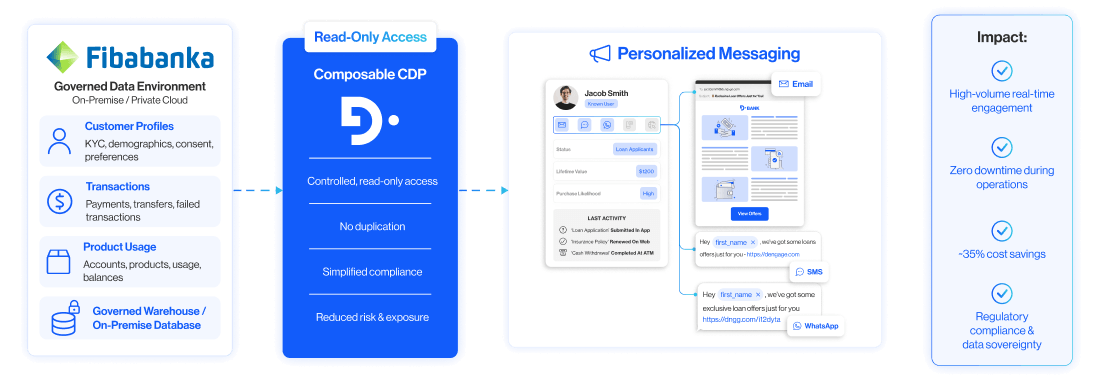
In a hybrid deployment with D·engage, the complexity stays behind the scenes.
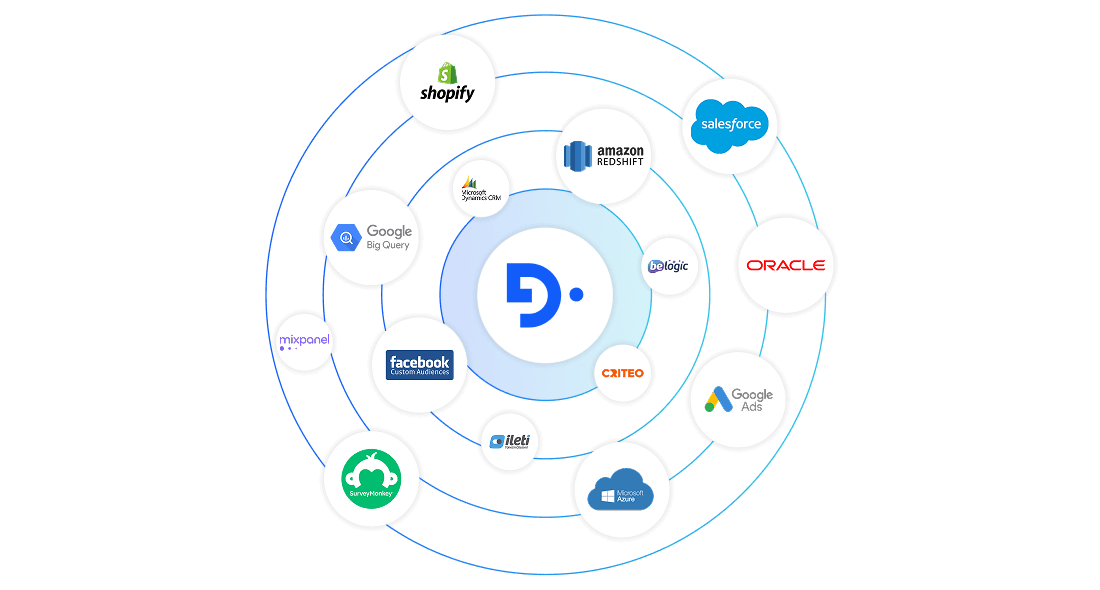
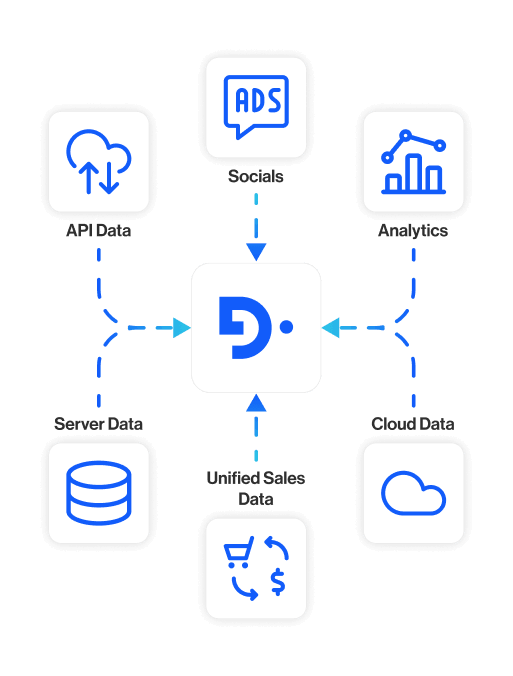
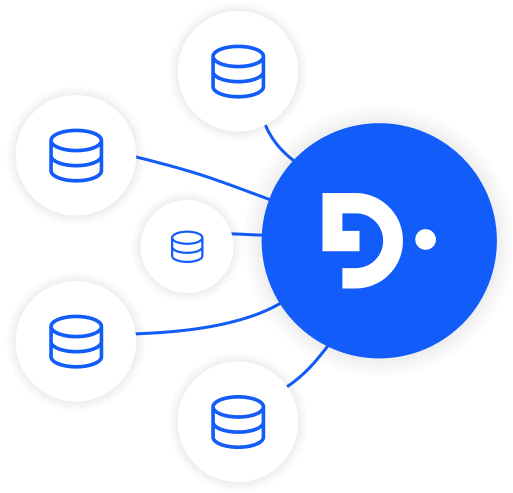
A marketer building a segment doesn’t need to know where the data physically resides. They work with a single interface and a unified customer view. Behind that, D·engage connects simultaneously to on-premise databases, cloud warehouses, and streaming infrastructure using the same Remote Source technology we mentioned earlier — the same approach that eliminates duplication, sync pipelines, and data drift.
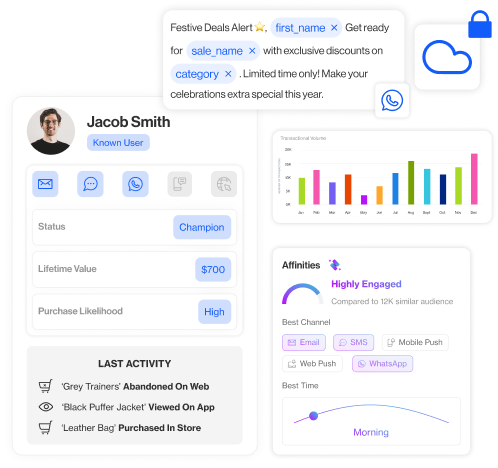
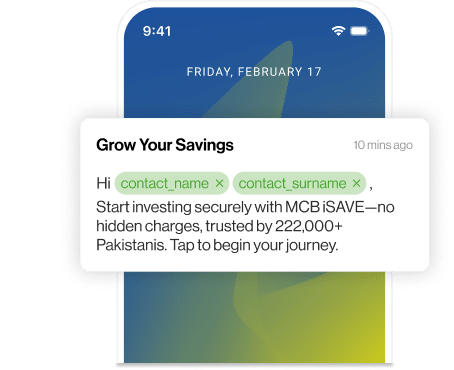
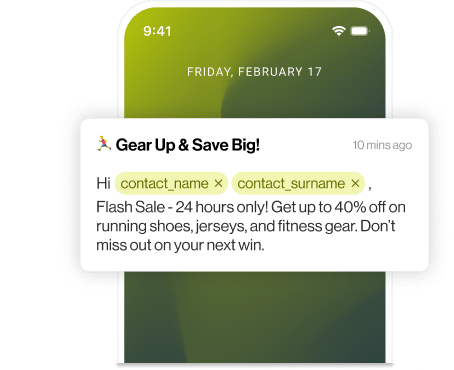
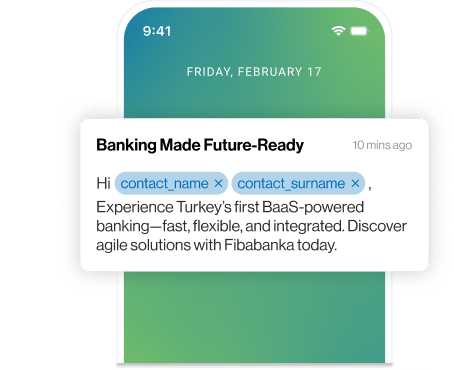
In practice, that means a single segment can draw on customer profile data from an on-premise SQL Server, behavioral events from BigQuery, and real-time transactional activity from Kafka. The segment builds in seconds, the journey triggers in real time, and the campaign executes across email, push, WhatsApp, or in-app: all without the anyone needing to think about which data source sits where.
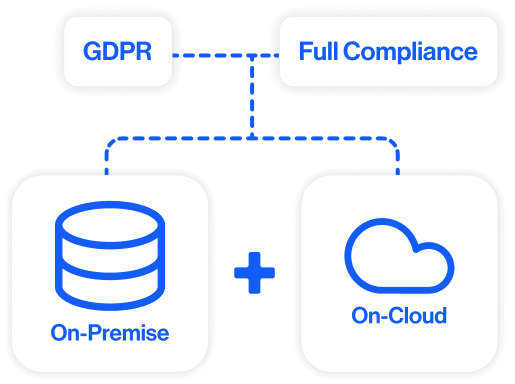
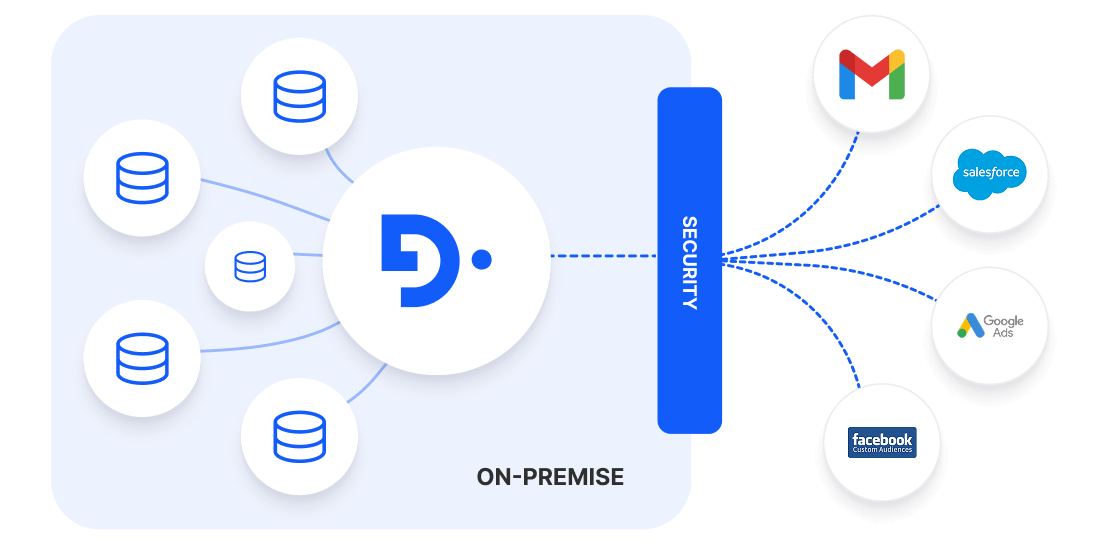
For IT teams, governance controls remain separate for each environment. On-premise data stays governed by on-premise policies; cloud data stays governed by cloud policies. The platform respects both without merging them into a single compliance framework that satisfies nobody.
For compliance concerns like data residency, cross-border transfers and audit requirements, hybrid deployment with D·engage means those rules are applied per environment rather than overridden by a one-size-fits-all vendor architecture.